


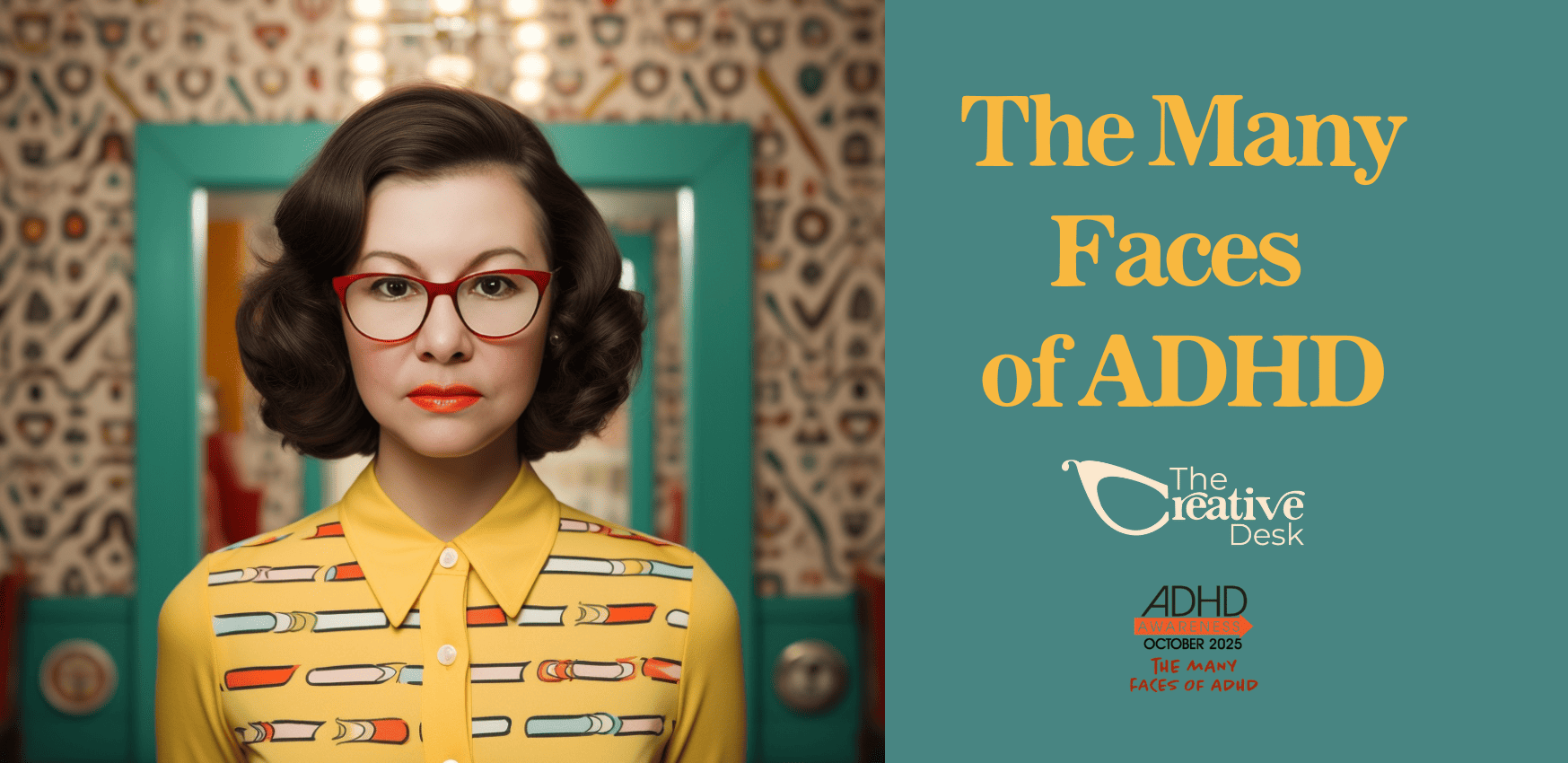
30 Sep ADHD Awareness Month 2025: The Many Faces of ADHD
October is ADHD Awareness Month — a global campaign dedicated to building understanding, breaking down stigma, and celebrating the strengths that often come with ADHD.
This year’s theme, The Many Faces of ADHD, is a reminder that ADHD doesn’t look the same for everyone. Some people wrestle with focus and organisation, others with hyperactivity or impulsivity — many experience a blend of both. It can show up in children, teenagers, and adults, across every background. The point is simple: there’s no single “face” of ADHD.
What is ADHD?
ADHD (Attention-Deficit/Hyperactivity Disorder) is a neurodevelopmental condition, recognised in the DSM-5 (the main diagnostic manual used worldwide). It’s defined by persistent patterns of inattention and/or hyperactivity-impulsivity that interfere with daily life.
There are three recognised presentations:
- Inattentive – challenges with focus, organisation, and follow-through.
- Hyperactive-Impulsive – restlessness, impulsivity, and difficulty waiting or slowing down.
- Combined – a mix of both inattentive and hyperactive-impulsive symptoms.
ADHD is one of the most common neurodevelopmental conditions in childhood, but it often continues into adulthood. Symptoms can shift over time: less outward hyperactivity, but more noticeable struggles with time management, organisation, or emotional regulation.
The Many Faces of ADHD
This year’s theme highlights the diversity of ADHD experiences. Historically, ADHD was seen mainly as a childhood condition affecting boys. That narrow view left many adults — especially women — undiagnosed or misdiagnosed for years.
Recognising the many faces of ADHD means moving beyond stereotypes. One person might be forgetful and overwhelmed by admin, while another experiences hyperfocus and bursts of creativity. Both experiences are ADHD. Both are valid.
Why Visibility Matters
Visibility changes outcomes.
- Without recognition, ADHD can contribute to academic struggles, workplace stress, strained relationships, and mental health challenges.
- With recognition and support, people with ADHD can build strategies that unlock their strengths.
- Best practice care is multi-faceted, often combining medication, therapy, behavioural strategies, coaching, and practical adjustments at school or work
When ADHD is visible, stigma shrinks and access to support expands — making room for more inclusive workplaces and communities.
How The Creative Desk Can Help
At The Creative Desk, we see those “many faces” every day. Many of our clients are neurodiverse entrepreneurs and creatives with extraordinary ideas, but ADHD can make organisation, follow-through, and consistency a challenge.
That’s where we step in. We provide:
- Tailored workflows and project management systems.
- Diary and task organisation that works with, not against, each client’s style.
- Guidance on Access to Work adjustments for inclusive business systems.
Our focus is helping clients stay organised, productive, and confident — without dulling the creativity that makes them stand out.
Learn More and Take Action
ADHD Awareness Month is an invitation to look closer, listen better, and rethink what productivity really means. By recognising the many faces of ADHD, we create space for neurodiverse strengths to shine.
👉 Explore resources at adhdawarenessmonth.org
👉 Book a strategy call with The Creative Desk: https://calendly.com/thecreativedesk/letsmeet